
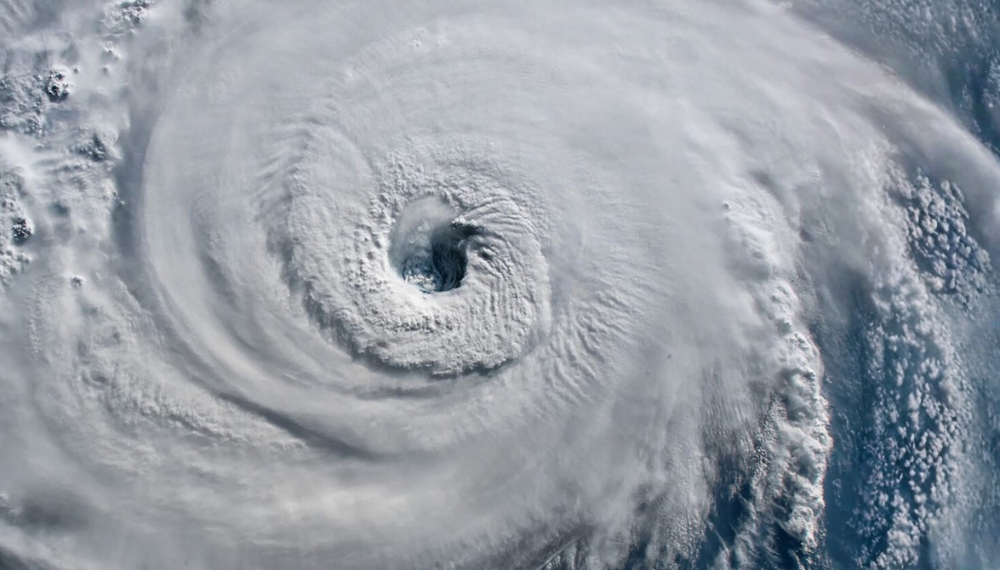
June to November marks the official window for hurricane season, and every year these weather events swirl in to cause billions of dollars in damage and claim countless lives. With the six-month long hurricane season comes severe winds, rain and storm surge. This combination of devasting weather can spell destruction for many homeowners in coastal communities.
In fact, many homeowners are still piecing their lives back together after the devastating effects of Hurricanes Helene and Milton last year. The physical and economic damage caused by Helene and Milton is estimated to have caused a total of $78.7 billion and $34.3 billion, respectively, placing both storms within the top ten costliest in U.S. history.
With the impact of these storms still top of mind, many homeowners across the eastern U.S. need to brace their homes – and their finances – for the impact that comes with the unpredictable nature of hurricanes.
2025 Season Predictions
As we approach the midpoint of Atlantic hurricane season (June – November), it’s a good time to check where things stand against the seasonal outlook. The NOAA’s updated 2025 forecast still calls for an above-normal season with 13-18 named storms and 2-5 major hurricanes (Category 3+). Exceptionally warm Atlantic waters are a key driver behind the elevated risk.
A label like “above normal” doesn’t tell us much about who will be hit, or how hard. Take 2024 as an example, the Atlantic produced 18 named storms and 5 major hurricanes, squarely within the NOAA’s predicted range, but the impacts were outsized. Together, Hurricanes Helene and Milton exceeded $110 billion in U.S. damages, devastation from a season that, by the numbers, looked “on track.”
Lessons like that remind us that even though forecasts look like there won’t be many hurricanes heading our way, their effects can still be extremely costly.
Ways To Prepare Yourself and Your Home
Even in a season behaving “as expected,” the risk to people and infrastructure is enormous. To thwart the effects of hurricane, there are valuable steps homeowners can take to protect themselves from the financial and physical impacts of Mother Nature.
- Stay informed: Like other severe weather events, it’s essential to keep your eyes on the news and weather forecasts to stay informed about hurricanes heading your direction. Have a disaster plan in place and be ready to evacuate if necessary.
- Secure your home: Strong winds, heavy rain, and storm surge from hurricanes can cause significant damage to your home. Consider reinforcing your roof, windows, and doors with hurricane shutters or other protective measures.
- Elevate your home: Ensure that the lowest floor is above the base flood elevation level for your area. According to FEMA, this is one of the most effective ways to limit the effects of storm surge.
- Clear your yard: Remove any debris from your yard that could become loose and potentially dangerous if caught up in high winds.
- Stock up on supplies: Make sure to have a supply kit ready with essentials like water (enough for one gallon per person per day for at least three days), non-perishable food, first aid supplies, and flashlights. It’s also a good idea to have a battery-powered radio on hand to stay updated in case there are any power outages. Explore the Ready.gov Checklist for more recommendations.
- Invest in disaster insurance: Think about adding a Recoop disaster insurance policy to supplement your home or renters insurance for access to quick, flexible recovery cash that can be used for repairs, to cover the cost of temporary housing, to pay for high deductibles and more in the event of a hurricane.
While it’s impossible to predict what hurricane season has in store – along with the exact path and severity of any given storm – taking these steps can help you be better prepared in the event of a disaster.